GUANGZHOU, GUANGDONG, CHINA, October 15, 2026 /EINPresswire.com/ —
Guangzhou Yuemei Textile Co., Ltd. serves the textile market with a diverse range of knitted fabrics, denim-related materials, and functional textiles for apparel and other applications. As fashion brands and garment manufacturers seek fabrics that combine distinctive appearance with comfort and versatility, the company’s portfolio brings together materials suited to different garment categories and seasonal requirements. Its product range includes Fleece, knit denim, stretch fabrics, mesh, velvet, and other textile materials, giving buyers options to consider when developing collections for casualwear, sportswear, outerwear, and everyday apparel.
Indigo denim remains a recognizable material in the global fashion industry, valued for its characteristic blue appearance, twill-inspired texture, durability, and ability to develop distinctive finishes. At the same time, contemporary clothing design increasingly combines denim aesthetics with softer knitted structures and warmer backing materials. This creates opportunities for textile suppliers to serve manufacturers looking for alternatives to traditional rigid denim while preserving a familiar visual style. Guangzhou Yuemei Textile Co., Ltd.’s reported range of knit denim and fleece fabrics reflects the broader variety of materials now used in modern apparel development.
Denim Innovation Beyond Traditional Woven Fabric
Traditional indigo denim is generally made using a woven construction in which indigo-dyed warp yarns create the characteristic blue face. The fabric has long been associated with jeans, jackets, shirts, skirts, workwear, and other durable garments. Its appeal comes from a combination of visual identity, versatility, and the ability to develop different appearances through washing and finishing.
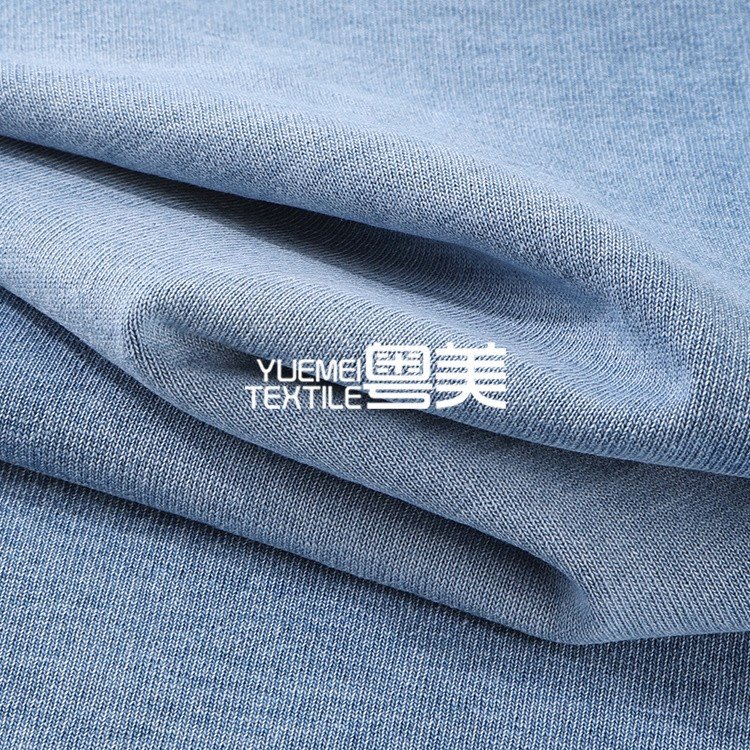
However, the demands of contemporary clothing have encouraged designers to explore additional fabric structures. Knit denim, for example, can offer greater flexibility and a softer hand than many conventional woven denim fabrics. Depending on the fiber composition and construction, it may provide stretch, drape, and comfort that suit leggings, casual trousers, dresses, lightweight jackets, and other garments designed for ease of movement.
Guangzhou Yuemei Textile Co., Ltd. is listed in textile exhibition information among suppliers of knit denim and a broad selection of knitted and functional fabrics. This portfolio provides a relevant starting point for apparel developers looking to explore denim-inspired materials alongside other fabric categories. As with any textile product, the suitability of a particular fabric depends on its actual construction, composition, weight, stretch, colorfastness, and finishing.
Indigo appearance can also be achieved through different material structures and finishing approaches. Buyers should therefore distinguish between traditional woven indigo denim, knitted denim, and denim-look fabrics. These categories may produce related visual effects but can differ considerably in mechanical performance, garment construction requirements, and care characteristics. For brands developing a new collection, confirming the precise fabric structure and technical specifications is an essential step before sampling and production.
Fleece for Comfort and Seasonal Apparel
Fleece is an important product category in the company’s wider textile portfolio. Commonly selected for its soft surface and insulating characteristics, fleece can be used in sweatshirts, jackets, hoodies, loungewear, blankets, linings, and other products where comfort and warmth are priorities. Depending on the construction, fleece fabrics can feature brushed surfaces, pile textures, or other finishes designed to influence softness, thickness, and thermal performance.
For garment manufacturers, the selection of fleece involves balancing warmth, weight, breathability, durability, and ease of care. Lightweight fleece may be suitable for transitional-season clothing or layering, while heavier constructions can provide greater insulation for cold-weather garments. Fiber composition and finishing influence how the fabric feels against the skin, how it handles moisture, and how it performs after repeated washing.
Guangzhou Yuemei Textile Co., Ltd. is associated in industry exhibition listings with several fleece categories, including polar fleece, micro polar fleece, coral fleece, and Sherpa fabric. These varieties provide different surface textures and potential applications. Polar fleece is widely used in casual outerwear and blankets, while coral fleece is often selected for soft-touch products. Sherpa-style materials are commonly used as warm linings, jacket details, and comfort-oriented apparel components.
The exact performance of any fleece fabric depends on its weight, yarn structure, fiber blend, brushing process, and finishing treatment. Buyers should request current specifications and fabric samples to assess softness, thickness, stretch, shedding, pilling resistance, and dimensional stability. These checks help ensure that the material is suitable for the garment design and the expectations of the intended market.
Connecting Denim-Inspired Fabrics With Modern Fashion Trends
The continued evolution of casual fashion has created demand for materials that combine recognizable denim styling with a more comfortable wearing experience. Consumers increasingly expect everyday clothing to offer flexibility, softness, and suitability for different weather conditions. In response, textile developers have explored knitted denim, stretch constructions, brushed surfaces, and bonded fabrics that adapt denim-inspired designs to a wider range of garments.
For apparel brands, these materials can provide new opportunities in product development. Knit denim may be considered for garments requiring flexibility, while fleece can add warmth and a soft inner surface to selected clothing designs. When used together in a broader collection, these fabric categories can support products intended for different seasons and customer preferences.
Guangzhou Yuemei Textile Co., Ltd. offers a portfolio that spans knit denim, Fleece, stretch textiles, and other knitted materials. This range can be relevant to manufacturers developing coordinated collections that include lightweight casualwear, warm outerwear, sports-inspired garments, and home textile products. Buyers should confirm whether a particular denim fabric is woven or knitted and whether any fleece backing or bonding treatment is included, as these characteristics affect the final garment’s construction and performance.
Material selection also influences the manufacturing process. Different fabric structures can require different cutting, sewing, finishing, and quality-control methods. Stretch materials, for example, may need pattern adjustments to achieve the intended fit, while fleece-backed materials can require attention to seam bulk and the behavior of layered fabrics. Early collaboration between textile suppliers and garment manufacturers can help identify these considerations before bulk production begins.
A Broad Range of Knitted and Functional Textiles
Beyond denim-inspired materials and fleece, Guangzhou Yuemei Textile Co., Ltd. is listed in industry exhibition information as offering knitted fabrics, warp-knit and weft-knit fabrics, mesh, air mesh, lace, velvet, plush, faux fur, suede-style fabrics, and other textile categories. The company’s broader range also includes stretch fabrics, spandex fabrics, thermal textiles, moisture-management materials, and selected functional fabrics.
These categories serve different needs across the apparel industry. Mesh and air mesh fabrics may be used in sportswear, footwear components, linings, and products requiring airflow. Stretch fabrics are relevant to activewear, leggings, fitted garments, and clothing designed to support freedom of movement. Velvet, plush, and faux fur materials can provide distinctive surface textures for fashion garments, accessories, and selected home textile products.
Functional textiles add another dimension to material selection. Depending on their verified construction and finishing, fabrics may be developed to support moisture management, quick drying, thermal insulation, water resistance, ultraviolet protection, or other performance requirements. Such properties should be confirmed for each individual product rather than assumed from a general category name. Buyers can request technical specifications and test reports to establish whether a fabric meets the requirements of a particular garment or end use.
For designers, access to different fabric structures can simplify the early stages of collection development. Instead of treating each product as an isolated sourcing exercise, brands can evaluate a wider selection of materials according to color, texture, weight, drape, and intended use. The final choice still depends on sample evaluation, manufacturing compatibility, and the target price point.
Supporting Apparel Manufacturers and Fabric Buyers
Fabric sourcing involves more than identifying a material with the right appearance. Apparel manufacturers need to consider usable width, weight, composition, color consistency, shrinkage, stretch recovery, pilling, and colorfastness. These factors affect cutting efficiency, garment sizing, production yield, and customer satisfaction after purchase.
For denim-related materials, buyers may also need to assess the uniformity of the indigo appearance, surface texture, wash response, and behavior during garment finishing. If the fabric is intended for enzyme washing, abrasion effects, or other finishing treatments, a trial should be carried out to confirm that the material develops the desired appearance without unacceptable damage or dimensional change.
For Fleece, the evaluation process may focus on softness, pile consistency, insulation, pilling, shedding, and dimensional stability after laundering. Where the fabric is intended for linings or layered garments, compatibility with the outer material and sewing process is equally important. These checks help manufacturers identify suitable fabrics before committing to larger production quantities.
Color development is another important consideration. Brands often require consistent shades across different fabric lots or across several material categories within one collection. A color standard, approved sample, and documented tolerance can help suppliers and buyers align expectations. Where different fiber compositions are involved, matching the same color across multiple fabrics may require separate dyeing or finishing adjustments.
A practical sourcing process generally includes an initial specification review, sample selection, physical testing, confirmation of order quantities, and approval of production standards. Buyers should also clarify lead times, packaging, inspection arrangements, and shipment schedules. For international customers, clear communication about technical requirements can help reduce misunderstandings during sampling and production.
Quality and Responsible Material Selection
Quality management is essential in textile sourcing because small differences in construction or finishing can influence the final product. Fabric defects, inconsistent dyeing, excessive shrinkage, or poor pilling performance may affect garment appearance and increase manufacturing waste. For this reason, buyers commonly assess samples before placing production orders and agree on inspection criteria for the finished fabric.
When considering Guangzhou Yuemei Textile Co., Ltd. as a potential supplier, customers should request product-specific information, including fiber composition, fabric weight, usable width, construction details, care recommendations, and available performance-test data. For specialized functional textiles, the buyer should verify the exact property being claimed and the test method used to assess it.
Material responsibility is also receiving greater attention across the textile supply chain. Brands may seek recycled fibers, traceable raw materials, lower-impact dyeing methods, or manufacturing processes intended to reduce water and energy use. The availability and verification of these options vary by fabric and production route. Buyers interested in such requirements should discuss them directly with the supplier and request supporting documentation rather than relying on broad environmental descriptions.
Reliable textile sourcing depends on aligning appearance, performance, cost, and production requirements. Suppliers that can provide clear specifications and responsive sampling support can help brands make more informed material decisions. The precise scope of service, customization options, and quality-control procedures should be confirmed during supplier evaluation.
Outlook for Guangzhou Yuemei Textile Co., Ltd.
The global textile market continues to create opportunities for materials that balance design flexibility with practical garment performance. Denim remains a staple in casual fashion, while knitted structures and fleece fabrics provide alternatives for clothing that emphasizes comfort, stretch, and warmth. This convergence of fashion and function encourages designers to evaluate a wider range of materials when developing seasonal collections.
Guangzhou Yuemei Textile Co., Ltd. is associated with a diverse fabric portfolio that includes knit denim, Fleece, mesh, lace, velvet, stretch materials, and other knitted and functional textiles. Its product range gives apparel buyers several categories to explore when sourcing materials for clothing and related textile applications. For manufacturers considering denim-inspired fabrics, confirming construction type, composition, color, finishing, and performance characteristics is particularly important.
The company’s broader range may also be relevant to buyers seeking complementary fabrics for collections spanning different seasons and garment categories. As with any sourcing decision, the final assessment should be based on product samples, technical documentation, order requirements, and verified supplier capabilities. This approach helps brands match textile choices to the intended product rather than relying on category descriptions alone.
About Guangzhou Yuemei Textile Co., Ltd.
Guangzhou Yuemei Textile Co., Ltd. is a textile supplier based in Guangzhou, China, serving the apparel and wider fabric market. Its listed product categories include knitted fabrics, warp-knit and weft-knit materials, mesh, lace, velvet, plush, stretch textiles, knit denim, and Fleece. The company’s range also includes polar fleece, micro polar fleece, coral fleece, Sherpa fabric, and other materials for apparel and selected home textile applications.
Its portfolio covers fabrics for casualwear, sportswear, activewear, outerwear, linings, and other garment categories. Depending on the specific product, buyers can evaluate characteristics such as fabric weight, fiber composition, texture, stretch, drape, thermal performance, and finishing. Customers should confirm individual product specifications and the availability of customized options directly with the company before placing orders.
For more information about Guangzhou Yuemei Textile Co., Ltd. and its fabric portfolio, visit www.top-textiles.com.
Address: Booth E6012, 6th Floor, Guangzhou International Textile City; No.2 Jinfang Road, Haizhu District, Guangzhou City, GuangDong Province, China
Official Website: https://www.top-textiles.com/
Pang Penny
Guangzhou Yuemei Textile Co., Ltd.
service2@top-textiles.com
Legal Disclaimer:
EIN Presswire provides this news content “as is” without warranty of any kind. We do not accept any responsibility or liability
for the accuracy, content, images, videos, licenses, completeness, legality, or reliability of the information contained in this
article. If you have any complaints or copyright issues related to this article, kindly contact the author above.

Media gallery