 Chicago, IL / Storyteller / Aug 17, 2026 /
AMK Counseling is expanding access to specialized EMDR therapy through experienced therapists in Chicago, providing individualized, evidence-based treatment for trauma, anxiety, and related mental health concerns. The practice also offers culturally affirming care for LGBTQIA+ and BIPOC clients, supporting personalized treatment plans that reflect each client’s unique experiences, identities, and therapeutic goals.
AMK Counseling is challenging the notion that trauma recovery begins and ends with traditional talk therapy by expanding access to EMDR therapy across its counseling centers. As evidence-based treatment continues to shape modern mental health care, the Chicago practice provides individuals with additional options for addressing trauma, anxiety, and related emotional concerns through specialized therapeutic approaches.
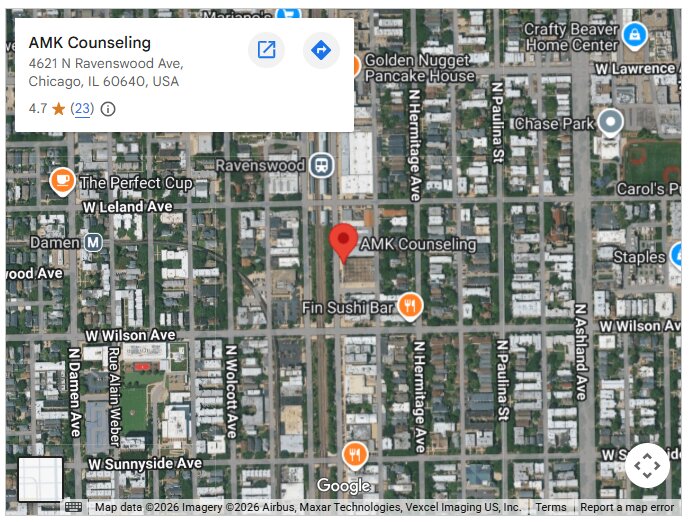
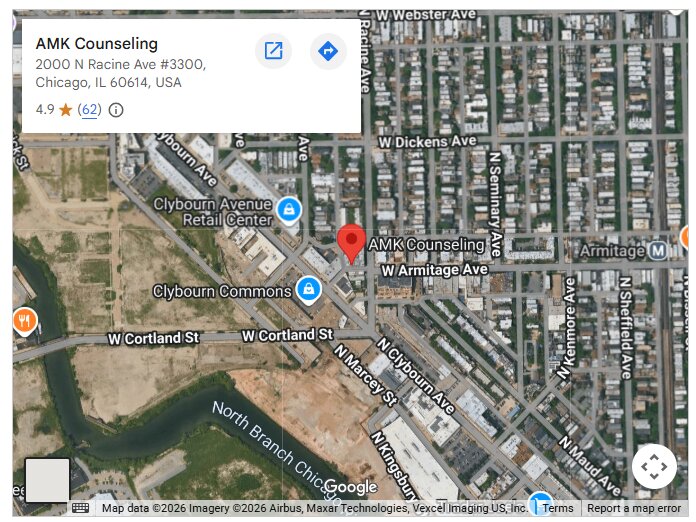
Counseling Services in Chicago at AMK Counseling combine EMDR therapy, individual psychotherapy, and anxiety-focused interventions based on each client’s clinical needs. Before recommending a treatment approach, therapists evaluate trauma history, current symptoms, and therapeutic goals at the Ravenswood clinic and the Lincoln Park clinic, helping ensure care reflects each individual’s circumstances rather than a standardized process.
Experienced therapists within this Chicago counseling practice draw from multiple evidence-based disciplines to determine the most appropriate treatment approach for each client. Rather than applying the same therapy to every client, clinicians consider factors such as trauma history, presenting concerns, and treatment goals when recommending EMDR therapy, psychotherapy, or anxiety-focused interventions so treatment can respond to each person’s evolving needs throughout the recovery process.
“Trauma doesn’t affect every person the same way, so treatment shouldn’t follow a single formula,” a company spokesperson said. “The right therapeutic approach begins with understanding the individual, then matching evidence-based care to that person’s experiences, goals, and needs.”
Why Trauma Treatment Should Never Be One-Size-Fits-All
People can experience the same traumatic event yet respond to it in very different ways. After a motor vehicle accident, for example, one person may feel ready to return to daily routines within weeks, while another may continue experiencing intrusive memories, heightened anxiety, or difficulty sleeping months later. Effective counselling begins with understanding how those experiences affect the individual before a therapist recommends an approach that reflects the person’s unique needs rather than applying the same treatment to everyone.
Recovery also rarely follows a straight line. As goals and symptoms change, a counselor may adjust the treatment plan by introducing EMDR therapy alongside other evidence-based interventions or placing greater emphasis on developing coping strategies before moving to trauma processing. This flexible approach allows therapy to evolve with the individual, helping treatment remain responsive as progress, challenges, and therapeutic priorities change instead of following a predetermined sequence.
Key Features and Facts
- Service Areas: Counseling services available across Chicago, including the Ravenswood and Lincoln Park clinics
- Evidence-Based Care: Individualized treatment incorporating EMDR therapy, psychotherapy, SPACE therapy for complex anxiety, and counseling for children and teens
- Treatment Philosophy: Personalized care plans guided by each client’s experiences, symptoms, and therapeutic goals
- Inclusive Care: Affirming mental health services that support LGBTQIA+ and BIPOC communities.
Frequently Asked Questions
Q: Why isn’t trauma treatment the same for every client?
A: Trauma can affect people differently even when they experience similar events. Factors such as personal history, current symptoms, coping mechanisms, and treatment goals influence how a therapist determines the most appropriate course of care, which may include EMDR therapy, psychotherapy, or other evidence-based approaches.
Q: When might EMDR therapy become part of a treatment plan?
A: Treatment recommendations depend on each client’s clinical needs and therapeutic goals. Some individuals may begin by developing coping strategies before progressing to EMDR therapy, while others may benefit from a different evidence-based approach. Therapists continually evaluate progress and adjust treatment as recovery evolves.
Q: What can clients expect during their first appointment?
A: Initial sessions focus on understanding each client’s experiences, concerns, and treatment goals rather than immediately beginning a specific therapeutic method. That assessment helps the counselor recommend an individualized treatment plan that reflects the client’s needs and circumstances.
Q: Who can benefit from AMK Counseling’s services?
A: AMK Counseling provides counseling services in Chicago for individuals experiencing trauma, anxiety, and other emotional concerns. The practice also offers affirming care for LGBTQIA+ and BIPOC communities while developing individualized treatment recommendations that reflect each client’s unique experiences, clinical needs, and therapeutic goals.
To learn how personalized, evidence-based trauma treatment can support your mental health journey, visit https://www.amkcounseling.com/.
About AMK Counseling
AMK Counseling is a Chicago mental health practice bringing together therapists with diverse clinical backgrounds to support a broad range of emotional and psychological needs. Through collaboration, ongoing professional development, and evidence-informed practice, the organization continues to strengthen outpatient mental health care while serving individuals and families across the Chicago area.
###
Media Contact
AMK Counseling
Address: 4621 N Ravenswood, Chicago, IL 60640
Phone: 773-413-9523
Website: www.amkcounseling.com/
LinkedIn: www.linkedin.com/company/amk-counseling
Instagram: www.instagram.com/amk_counseling/
YouTube: www.youtube.com/@AMKCounseling
Disclaimer: This press release is for informational purposes only and should not be considered medical or mental health advice. Individuals experiencing symptoms of ADHD or other mental health conditions should consult a qualified healthcare or mental health professional for evaluation and treatment appropriate to their individual needs.


